
spil keno — sådan vinder du lotto i 2026
spil keno er et af de mest sociale hasardspil, og med online platforme kan du deltage i fællesskaber fra hele landet. I 2026 er der desuden flere måder at spille på, fra klassiske 75-bold til hurtige 30-bold spil. spil keno mobil kan anbefale de bedste sider med fair vilkår og attraktive bonusser.
free spins uden omsætningskrav 2026 — lette omsætningskrav
See also:
- Hvorfor vælge spil keno jackpot?
- spil keno at a Glance
- Bonuses & Wagering Terms at spil keno
- spil keno anmeldelse – tips og tricks til begyndere
- spil keno Platform Screenshots
- Er spil keno anmeldelse det rigtige valg for dig?
- Hvilke trin kræver spil keno anmeldelse ved billetkøb?
- Ofte stillede spørgsmål om spil keno mobil
- Spil med Måde – Tips fra spil keno
Hvorfor vælge spil keno jackpot?
The concept of a second chance is one of the most profound and transformative ideas in human experience. It embodies the possibility of redemption, the opportunity to correct past mistakes, and the hope that our future is not irrevocably determined by our past actions. In literature, film, and philosophy, the second chance is a recurring motif, often serving as the catalyst for character development, moral exploration, and emotional catharsis. It is the moment when a protagonist, having faced failure, loss, or moral compromise, is offered the opportunity to rewrite their story, to choose a different path, or to reconcile with those they have wronged. This narrative device resonates deeply with audiences because it mirrors our own desires for forgiveness, growth, and the belief that we are not defined solely by our worst moments. In real life, second chances manifest in myriad forms: a recovering addict entering rehabilitation, a student retaking an exam after failing, a relationship mended after betrayal, or an employee given a new project after a costly error. Each of these scenarios carries with it a weight of uncertainty and vulnerability, as the recipient must grapple with the fear of repeating past mistakes while summoning the courage to try again. The psychological underpinnings of a second chance involve a complex interplay of self-awareness, accountability, and resilience. To truly embrace a second chance, one must first acknowledge the failure without succumbing to self-condemnation, then actively work to understand the root causes of the original misstep, and finally commit to a course of action that demonstrates genuine change. This process is rarely linear; it often involves setbacks, moments of doubt, and the temptation to fall back into old patterns. Yet, it is precisely through this struggle that the second chance gains its power. It forces individuals to confront their own limitations, to develop new coping strategies, and to build a more authentic sense of self. Moreover, the granting of a second chance is not solely the responsibility of the individual seeking it; it also requires a community, institution, or person willing to extend grace. This act of granting forgiveness is not a simple dismissal of wrongdoing but rather a deliberate choice to prioritize potential over past, to believe in the capacity for human change, and to invest in the possibility of a better outcome. In social contexts, second chances can take on systemic dimensions, such as criminal justice reforms that offer rehabilitation over punishment, educational policies that allow for academic redemption, or workplace cultures that encourage learning from failure rather than penalizing it. These institutional second chances are essential for fostering a society that values growth and inclusivity, yet they are often fraught with controversy, as questions of fairness, safety, and accountability arise. For instance, should a convicted felon have the right to vote or gain employment? Should a doctor who made a fatal error be allowed to practice medicine again? These questions highlight the tension between compassion and risk, between the individual’s right to redemption and the collective’s need for protection. Ultimately, the concept of a second chance challenges us to reconsider our own beliefs about human nature. Are people fundamentally capable of change, or are we bound by our pasts? The answer likely lies in the nuanced reality that while some individuals may squander their opportunities, many others rise to the occasion, transforming their lives in ways that inspire others. The stories of individuals who have successfully navigated second chances often share common elements: a supportive network, a clear goal, and an internal drive to not let the opportunity slip away.
spil keno at a Glance
| Feature | Details |
|---|---|
| Live casino | Live casino med mange borde |
| Crypto support | Bitcoin & Ethereum |
| Payout time | Up to 100% monthly |
| Recent payout | J.S. won 300 in October 2024 |
| Deposit methods | VISA, Mastercard, Neteller, Skrill |
Bonuses & Wagering Terms at spil keno
- 25 gratis spins ved indbetaling
- 100 gratis spins uden indbetaling
- 75 % bonus op til kr100
- 30x gennemspilskrav på 30 dage
- Omsæt 45x inden for 21 dage
spil keno anmeldelse – tips og tricks til begyndere
Off-peak refers to periods of time when demand for a particular service, resource, or commodity is lower than its average or peak levels. This concept is widely applied across various industries, including transportation, energy, telecommunications, hospitality, and entertainment. During off-peak hours, businesses often offer discounts, incentives, or reduced rates to encourage consumption and balance demand. Understanding off-peak periods is crucial for both providers and consumers, as it allows for efficient resource allocation, cost savings, and improved customer satisfaction. The fundamental principle behind off-peak pricing is to shift demand from times of high congestion to times of lower usage, thereby optimizing infrastructure utilization and reducing the need for costly expansions. For instance, in electricity grids, off-peak periods typically occur late at night when most residential and commercial activities have ceased, allowing utilities to run baseload power plants more efficiently and avoid firing up expensive peaking units. Similarly, in transportation, off-peak travel can reduce wear and tear on roads and public transit systems, extending their lifespan and reducing maintenance costs. Moreover, off-peak strategies can contribute to environmental sustainability by lowering overall energy consumption and reducing greenhouse gas emissions, as seen in programs that encourage off-peak electric vehicle charging to align with renewable energy generation peaks, such as wind power at night. From a psychological standpoint, off-peak periods also offer consumers a more relaxed and less stressful experience, whether it’s shopping in a nearly empty supermarket or enjoying a quiet museum visit, which can enhance overall well-being and satisfaction. For businesses, off-peak periods present a strategic opportunity to test new products, train staff, or conduct maintenance without disrupting regular operations, ensuring that peak times run smoothly and efficiently. Additionally, off-peak pricing can help smooth out revenue streams, preventing the feast-or-famine cycles that can strain cash flow and operational planning. In the context of global markets, off-peak hours can align with business hours in different time zones, enabling companies to serve international customers more effectively and around the clock. For example, a call center might offer reduced rates during off-peak hours to handle overflow from other regions, or an e-commerce platform might schedule server maintenance during low-traffic periods to minimize user disruption. Furthermore, off-peak periods are not static; they can vary by season, day of the week, and even by specific events, such as major sports games or holidays, requiring businesses to use data analytics and predictive modeling to accurately forecast demand and adjust pricing dynamically. In the travel industry, off-peak seasons often coincide with less favorable weather or school schedules, but savvy travelers can find incredible deals on flights and accommodations, making off-peak travel an attractive option for budget-conscious adventurers. For instance, visiting European cities in late autumn can offer mild weather, fewer crowds, and significantly lower prices compared to the summer rush, allowing travelers to experience popular attractions without long queues. Similarly, in the hospitality sector, off-peak periods may see hotels offering complimentary upgrades, free breakfast, or late checkout to entice guests, enhancing the perceived value and encouraging repeat visits. In the context of gyms and fitness centers, off-peak memberships are often cheaper because they restrict access to times when the facility is less crowded, providing a win-win situation where members save money and the gym maximizes utilization without overcrowding. Moreover, off-peak periods can be harnessed for personal productivity; for example, freelancers or remote workers might schedule deep-focus tasks during quiet morning hours or late evenings when distractions are minimal, aligning their work with natural energy cycles. In the realm of online services, off-peak usage can lead to faster download speeds and lower latency, as network congestion is reduced, benefiting users who can schedule large file transfers or software updates during these windows. Utility companies are increasingly offering real-time pricing apps that allow consumers to monitor electricity costs throughout the day, empowering them to make informed choices about when to run heavy appliances. Similarly, some water utilities are experimenting with off-peak watering schedules to reduce strain on municipal systems during hot summer afternoons, promoting conservation and cost savings. In the entertainment industry, off-peak showtimes for movies or theater performances often come with lower ticket prices, making cultural events more accessible to a broader audience, including families and students on a budget. Even in the realm of professional services, such as accounting or legal consulting, off-peak seasons (e.g., after tax deadlines or during summer months) may see reduced hourly rates as firms seek to fill their pipelines. To fully capitalize on off-peak opportunities, businesses must communicate these benefits clearly to consumers, using marketing campaigns that highlight the financial and experiential advantages. For example, utility companies might send personalized alerts to customers when off-peak rates are in effect, while travel companies could use email newsletters to showcase last-minute off-peak deals. Additionally, loyalty programs can reward customers who choose off-peak options, fostering long-term behavioral changes. However, it’s important to note that off-peak periods are not universally beneficial; for some service providers, such as emergency services or 24-hour pharmacies, demand is constant, and off-peak pricing may not apply.
spil keno Platform Screenshots
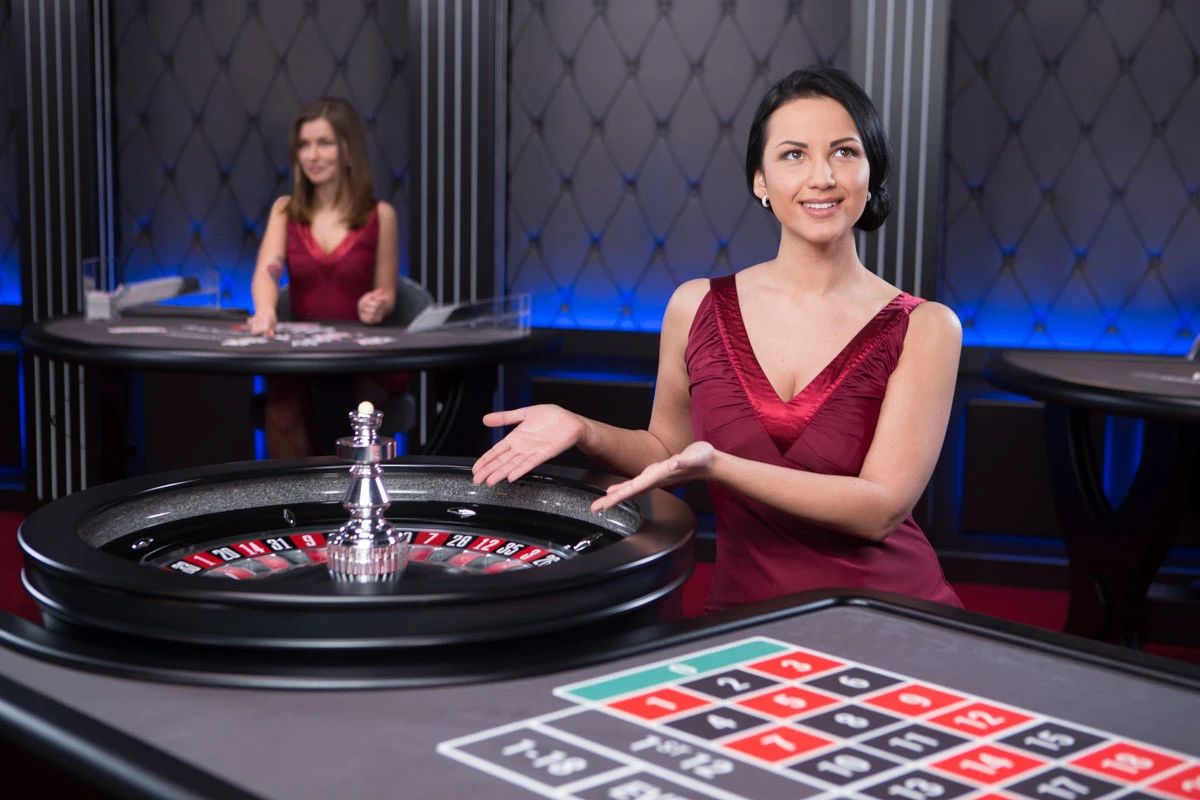
Er spil keno anmeldelse det rigtige valg for dig?
Bingo! The word itself is a sudden, sharp exclamation, a verbal firecracker that pops in the air and leaves a faint echo of triumph. It’s the sound of a perfect alignment, the moment when chaos snaps into order, when the scattered pieces of a puzzle click into a coherent picture. In a crowded bingo hall, it’s the cry that silences the murmur of daubers and the rustle of cards, as every head swivels toward the winner, a mix of envy and admiration in their eyes. But beyond the game, “Bingo!” has become a universal shorthand for a eureka moment, a sudden realization, or the satisfying conclusion to a search. Think of the detective who finally spots the clue that cracks the case—he doesn’t say “I’ve found it,” he slaps the table and shouts “Bingo!” It’s the word that erupts when you find your keys after twenty minutes of frantic searching, or when the last crossword clue falls into place, or when the stock market ticker finally shows the number you’ve been waiting for. The word carries a physicality too: the sharp ‘b’ that bursts from the lips, the short ‘i’ that snaps, the nasal ‘n’ that hums, and the round ‘go’ that rolls out like a victory lap. It’s a word that demands to be spoken aloud, not whispered, and it often comes with a gesture—a fist pump, a raised arm, a slap on the back. In the world of gaming, it’s the ultimate payoff, the reason players sit for hours, dabbing numbers with a sense of mounting anticipation. Each number called is a heartbeat, and when the final one lands, the air thickens with possibility. But “Bingo!” is not just for games; it’s a tool of communication. In boardrooms, it punctuates a successful pitch; in classrooms, it marks a student’s correct answer; in laboratories, it announces a breakthrough. It’s a word that bridges generations—your grandmother knows it from her Friday night games, your child knows it from a mobile app, and your coworker knows it from a team-building exercise. The beauty of the word lies in its simplicity: it’s a monosyllabic burst of joy, a linguistic high-five. It’s also a word that has evolved, spawning variations like “Bingo bango!” or “Bingo was his name-o,” but the core remains the same—a declaration of success. Consider the psychology: when you say “Bingo!” you’re not just informing others; you’re affirming yourself, releasing a burst of dopamine that makes the moment memorable. It’s why game shows use it, why advertisers use it in slogans (“Bingo! You’ve won!”), and why it’s become a meme in online culture, often typed in all caps with multiple exclamation points. The word even has a visual quality—it’s bright, bold, and colorful, like the flashing lights of a slot machine. It’s no wonder that it’s been adopted into other languages, from Spanish (“¡Bingo!”) to Japanese (“ビンゴ!”), each culture adding its own flavor. But let’s not forget the humble origins: the game itself dates back to 16th-century Italy, where it was called “Il Giuoco del Lotto d’Italia,” and it spread through France and Germany before reaching America in the 1920s. The word “bingo” is said to have come from a mishearing of “beano,” a game where players marked their cards with beans. Legend has it that a player, upon winning, was so excited she shouted “Bingo!” instead of “Beano!” and the name stuck. That moment of accidental genius is fitting—because “Bingo!
Hvilke trin kræver spil keno anmeldelse ved billetkøb?
Erfarne spillere ved, at spil keno kræver grundig research.
progressive jackpots 2026 — konkurrencer og præmier
slots jackpot casino 2026 — slots jackpot casino guide
Ofte stillede spørgsmål om spil keno mobil
Hvad er spil keno?
spil keno er en online casino- og bettingplatform, der tilbyder et bredt udvalg af spil, herunder bingo og lotteri.
Er spil keno licenseret?
Ja, spil keno opererer med en gyldig licens udstedt af Spillemyndigheden, hvilket sikrer en sikker og reguleret spiloplevelse.
Hvordan fungerer bingo og lotteri hos spil keno?
Hos spil keno kan du deltage i forskellige bingospil og købe lodder til lotterier, hvor du har chancen for at vinde store præmier.
Hvad er minimumsindbetalingen hos spil keno?
Minimumsindbetalingen hos spil keno er kr15, hvilket gør det nemt for nye spillere at komme i gang.
Er der nogen bonusser tilgængelige for nye spillere?
Ja, nye spillere hos spil keno kan få en velkomstbonus på 300 % bonus op til kr100, som er underlagt et omsætningskrav på Omsæt 30x inden for 7 dage gange.
Når du vurderer spil keno, skal du overveje betalingsmetoderne.
Spil med Måde – Tips fra spil keno
Spil er kun for voksne over 18 år. spil keno opfordrer til ansvarligt spil, og du bør altid sætte grænser for tid og penge, før du går i gang – spil kun for underholdningens skyld, og jagt aldrig tab. Den danske spillemyndighed, Spillemyndigheden, er den ansvarlige myndighed, og du kan benytte dig af ROFUS, det nationale register for selveksklusion, til at udelukke dig selv fra spil. Har du brug for hjælp eller rådgivning, kan du kontakte StopSpillet på 70 22 28 25. Spil ansvarligt – og husk, at spil aldrig bør være en løsning på økonomiske problemer.